Original: $100.00
-65%$100.00
$35.00The Story
Ferrograph Analysis Software – QualiFG™ FAS
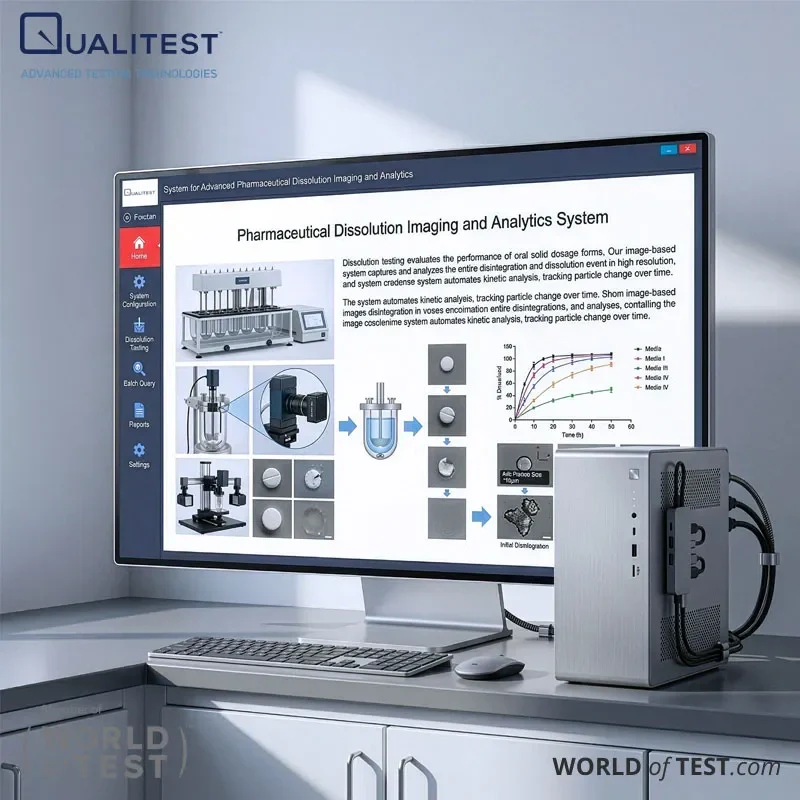
QualiFG™ FAS is an advanced ferrograph analysis software platform designed to streamline image capture, wear-particle detection, and ferrogram evaluation within a unified workflow. It provides a connected environment for laboratories working with dual-analysis ferrographs, dual-rotary systems, and thistle-tube ferrograph setups, with seamless microscope-camera integration, automated imaging, and structured report generation.
Built for modern oil analysis laboratories, QualiFG™ FAS enhances consistency in wear-debris interpretation across different operators while significantly improving reporting speed in microscopy-based ferrography. The system integrates deep-learning–driven particle recognition models trained on extensive industrial used-oil image datasets, enabling reliable classification and analysis of complex wear patterns. Its scalable architecture also supports customization for laboratory reporting standards and data management systems.
Ideal for condition-monitoring programs, reliability engineering teams, and oil analysis facilities, QualiFG™ FAS provides a standardized approach to capturing, classifying, and documenting wear particles from ferrograms. It supports more structured diagnostics, improved data consistency, and efficient analysis workflows for better machinery health insights.
Ferrograph Analysis Software – QualiFG™ FAS Applications
Used-oil condition monitoring programs:
QualiFG™ FAS supports routine ferrography workflows for wear trend evaluation and early detection of abnormal wear conditions. It helps analysts differentiate normal wear patterns from emerging faults through consistent image-based review of ferrograms.
Wear-mode identification and maintenance decisions:
The software assists in identifying key wear mechanisms such as cutting, sliding, fatigue, and oxide formation, along with other particle classifications. This supports more informed interpretation of debris morphology and helps link observed wear particles with probable machine condition and maintenance planning.
Standardized reporting for QC and reliability teams:
QualiFG™ FAS includes structured reporting and data management tools designed to improve repeatability in documentation, simplify result comparison, and support clear communication of ferrography findings across quality control and reliability teams.
Multi-instrument ferrograph laboratories:
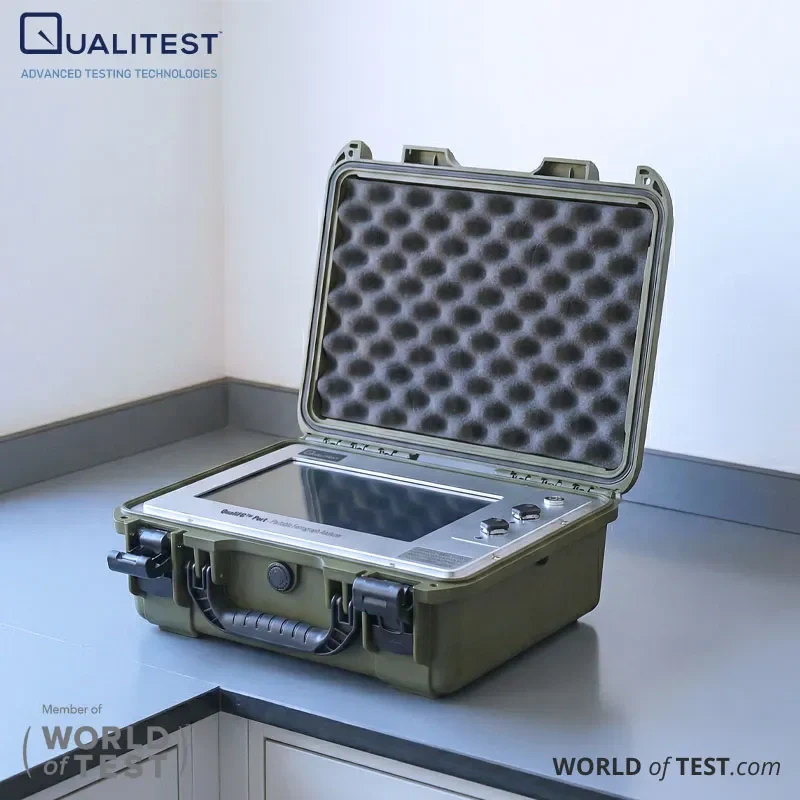
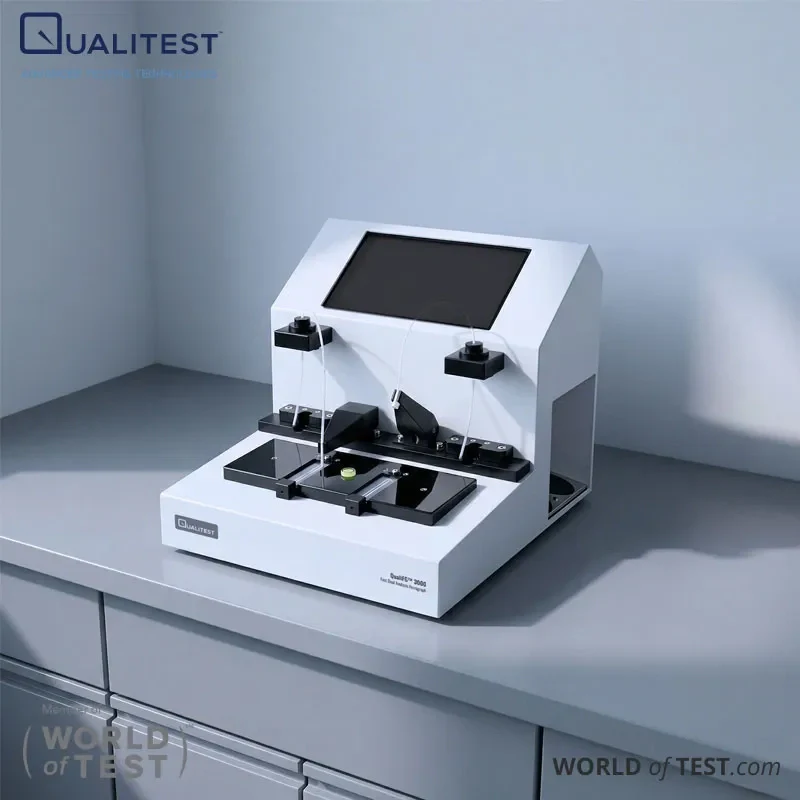
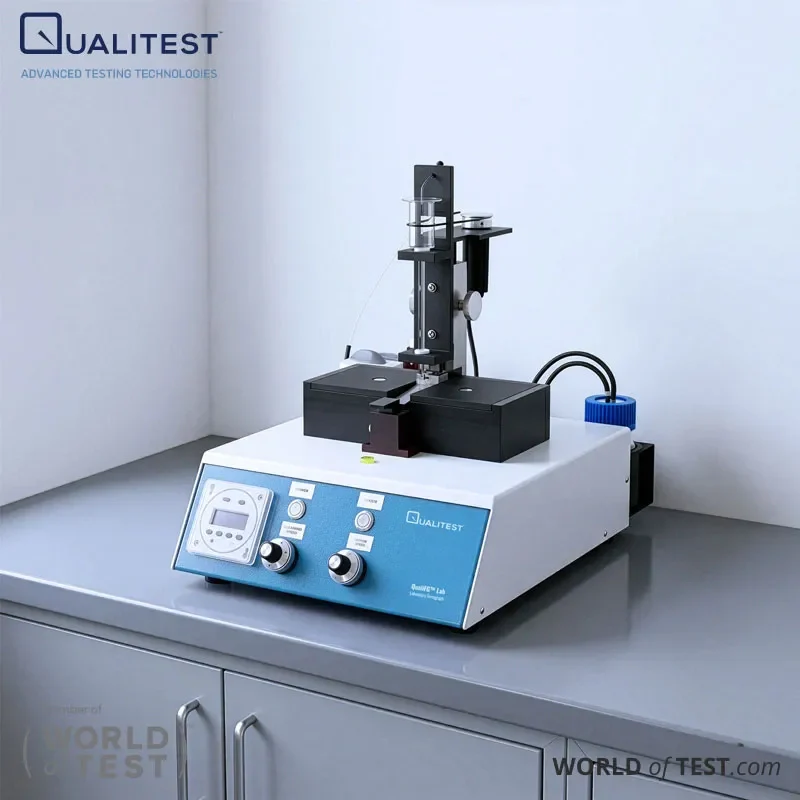
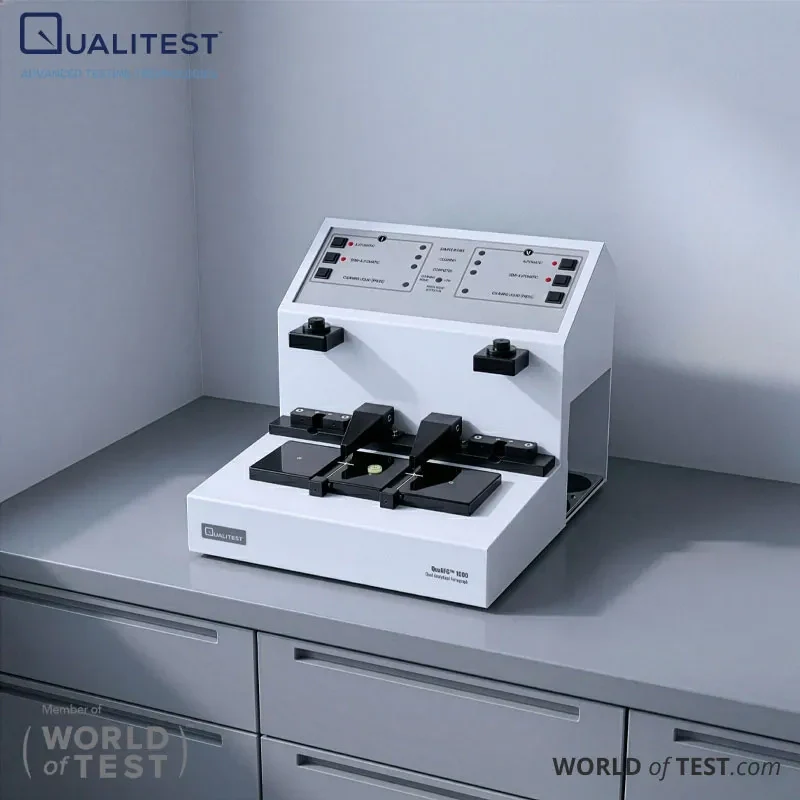
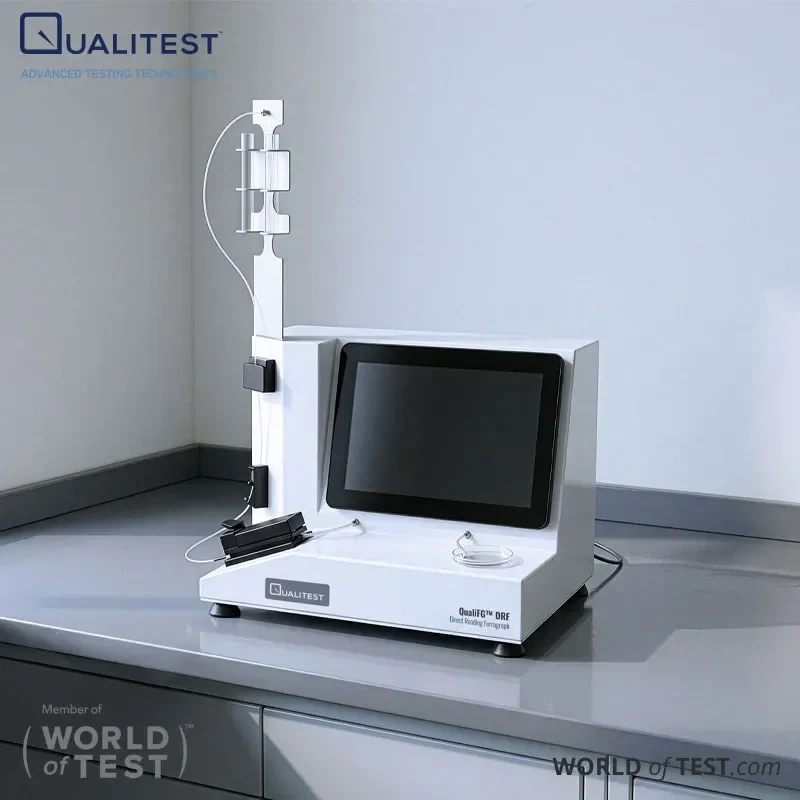
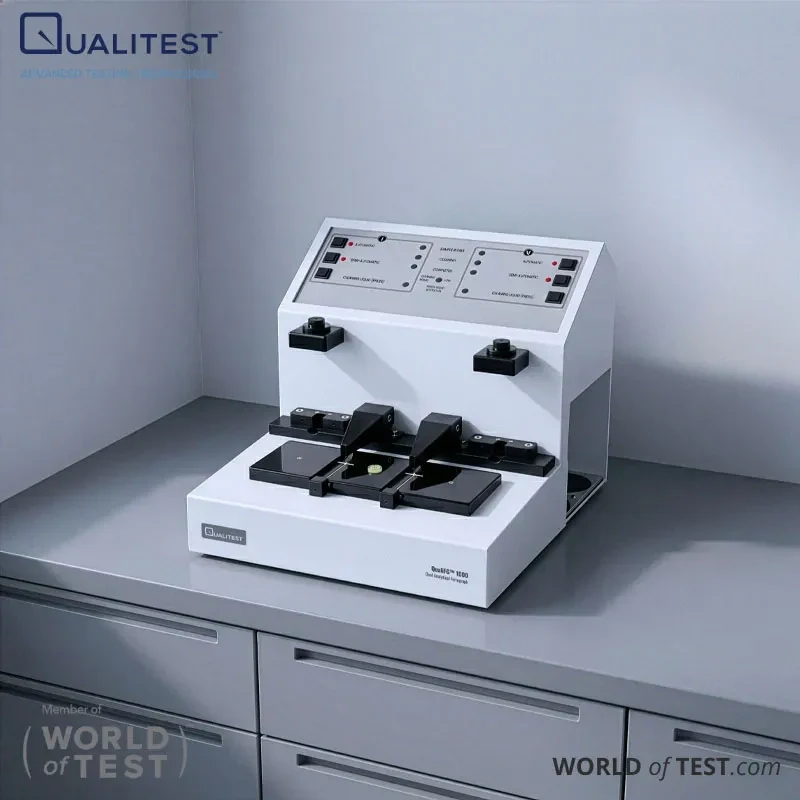
The platform is designed for laboratories operating multiple ferrograph systems. It supports integration with dual-analysis ferrographs, dual-rotary ferrographs, and thistle-tube ferrograph setups, enabling a coordinated and efficient ferrograph analysis workflow across instruments.
Standards
ASTM D7690 – Defines the methodology for microscopic examination and characterization of wear and contaminant particles deposited on ferrogram surfaces, supporting consistent interpretation in ferrography-based analysis workflows.
ASTM D7684 – Provides standardized terminology and descriptive guidance for particle morphology, supporting clear and consistent classification of wear debris in microscopic particle identification and analysis processes.
Ferrograph Analysis Software – QualiFG™ FAS Key Features
Three-in-one workflow:
QualiFG™ FAS integrates image capture, wear-particle detection, and ferrogram analysis within a single environment. This unified workflow reduces the need to switch between separate tools during routine ferrography review.
Real-time microscope image acquisition:
The software supports live image capture through compatible high-resolution microscope camera systems. It provides stable imaging performance with accurate color rendering to support detailed particle evaluation and documentation.
Deep-learning wear-particle recognition:
Its recognition engine is trained on extensive industrial used-oil image datasets, improving adaptability across varied ferrogram samples and supporting reliable particle classification under different operating conditions.
Wide recognition range:
QualiFG™ FAS supports wear-particle detection across a size range of 0 to 1200 μm, covering the majority of particle scales encountered in standard ferrography and oil condition monitoring applications.
Twelve particle categories:
The system classifies particles into 12 defined categories, including normal wear, fatigue wear, cutting wear, severe sliding wear, spherical particles, copper particles, and oxide particles, supporting structured interpretation of wear mechanisms.
Reporting and data interaction tools:
Built-in reporting functions enable standardized documentation, efficient data handling, and simplified sharing of analysis results across laboratory and reliability teams.
Expandable and customizable architecture:
The platform is designed with a flexible structure that supports customization based on laboratory requirements and integration into broader laboratory information management and condition monitoring systems.
Theory and Method
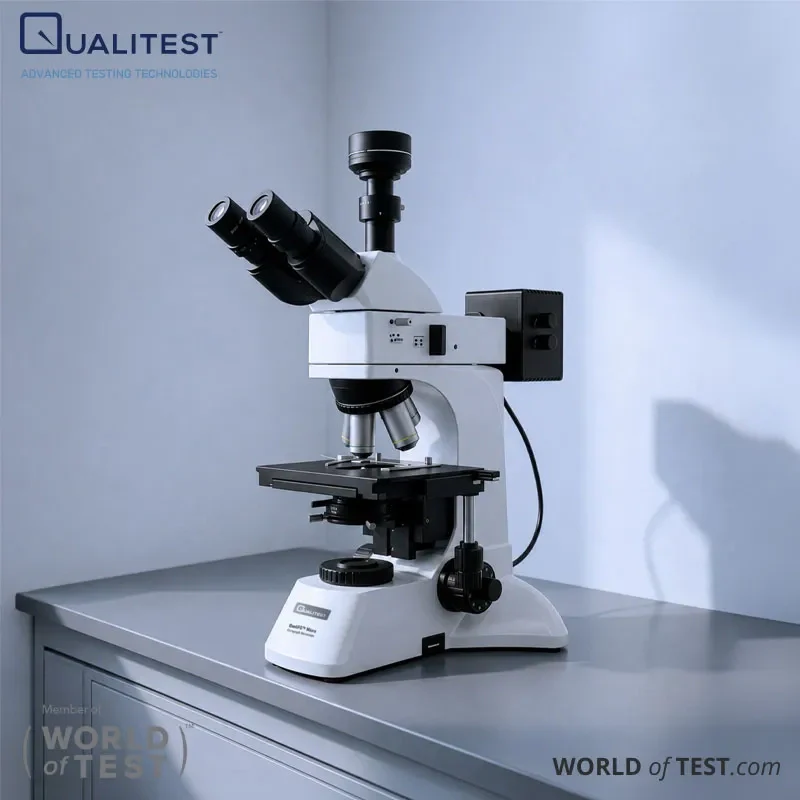
A ferrograph analysis workflow begins once a prepared ferrogram is positioned under a microscope for evaluation. QualiFG™ FAS captures high-resolution images through a compatible microscope camera, then processes these images using an intelligent recognition engine to classify wear particles. The analyzed data is subsequently organized into a structured reporting layer for review, documentation, and export.
The recognition system is based on a deep-learning model trained on extensive datasets containing tens of thousands of wear-particle images derived from industrial lubricating-oil samples. This training approach improves classification stability across varying sample conditions and supports more consistent interpretation of particle features in practical ferrography applications.
Overall, the process delivers a unified image-analysis workflow for ferrography, where image acquisition, particle recognition, and reporting are integrated into a single continuous system, reducing reliance on separate manual analysis stages.
Ferrograph Analysis Software – QualiFG™ FAS Technical Specification
| Parameter | QualiFG™ FAS |
|---|---|
| Product Type | Ferrograph Analysis Software |
| Primary Workflow | Image acquisition, wear-particle recognition, wear analysis |
| Compatible Ferrograph Platforms | Dual-analysis ferrograph, dual-rotary ferrograph, thistle-tube ferrograph |
| Referenced Standards | ASTM D7690, ASTM D7684 |
| Design Reference | SH/T 0573 |
| Recommended Computer | 10th Gen Intel Core i5-10500, 8 GB RAM or higher |
| Example Camera | E3ISPM2000KPA |
| Compatible Transmission Line | E301195 UL AWM Style 2725 |
| Microscope Calibration Ruler | 1 DIV = 0.01 mm |
| Wear-Particle Recognition Range | 0–1200 μm |
| Acquisition Type | Real-time acquisition |
| Image Resolution | 5480 × 3648 / 2736 × 1824 |
| Recognition Categories | 12 types |
Description
Ferrograph Analysis Software – QualiFG™ FAS
QualiFG™ FAS is an advanced ferrograph analysis software platform designed to streamline image capture, wear-particle detection, and ferrogram evaluation within a unified workflow. It provides a connected environment for laboratories working with dual-analysis ferrographs, dual-rotary systems, and thistle-tube ferrograph setups, with seamless microscope-camera integration, automated imaging, and structured report generation.
Built for modern oil analysis laboratories, QualiFG™ FAS enhances consistency in wear-debris interpretation across different operators while significantly improving reporting speed in microscopy-based ferrography. The system integrates deep-learning–driven particle recognition models trained on extensive industrial used-oil image datasets, enabling reliable classification and analysis of complex wear patterns. Its scalable architecture also supports customization for laboratory reporting standards and data management systems.
Ideal for condition-monitoring programs, reliability engineering teams, and oil analysis facilities, QualiFG™ FAS provides a standardized approach to capturing, classifying, and documenting wear particles from ferrograms. It supports more structured diagnostics, improved data consistency, and efficient analysis workflows for better machinery health insights.
Ferrograph Analysis Software – QualiFG™ FAS Applications
Used-oil condition monitoring programs:
QualiFG™ FAS supports routine ferrography workflows for wear trend evaluation and early detection of abnormal wear conditions. It helps analysts differentiate normal wear patterns from emerging faults through consistent image-based review of ferrograms.
Wear-mode identification and maintenance decisions:
The software assists in identifying key wear mechanisms such as cutting, sliding, fatigue, and oxide formation, along with other particle classifications. This supports more informed interpretation of debris morphology and helps link observed wear particles with probable machine condition and maintenance planning.
Standardized reporting for QC and reliability teams:
QualiFG™ FAS includes structured reporting and data management tools designed to improve repeatability in documentation, simplify result comparison, and support clear communication of ferrography findings across quality control and reliability teams.
Multi-instrument ferrograph laboratories:
The platform is designed for laboratories operating multiple ferrograph systems. It supports integration with dual-analysis ferrographs, dual-rotary ferrographs, and thistle-tube ferrograph setups, enabling a coordinated and efficient ferrograph analysis workflow across instruments.
Standards
ASTM D7690 – Defines the methodology for microscopic examination and characterization of wear and contaminant particles deposited on ferrogram surfaces, supporting consistent interpretation in ferrography-based analysis workflows.
ASTM D7684 – Provides standardized terminology and descriptive guidance for particle morphology, supporting clear and consistent classification of wear debris in microscopic particle identification and analysis processes.
Ferrograph Analysis Software – QualiFG™ FAS Key Features
Three-in-one workflow:
QualiFG™ FAS integrates image capture, wear-particle detection, and ferrogram analysis within a single environment. This unified workflow reduces the need to switch between separate tools during routine ferrography review.
Real-time microscope image acquisition:
The software supports live image capture through compatible high-resolution microscope camera systems. It provides stable imaging performance with accurate color rendering to support detailed particle evaluation and documentation.
Deep-learning wear-particle recognition:
Its recognition engine is trained on extensive industrial used-oil image datasets, improving adaptability across varied ferrogram samples and supporting reliable particle classification under different operating conditions.
Wide recognition range:
QualiFG™ FAS supports wear-particle detection across a size range of 0 to 1200 μm, covering the majority of particle scales encountered in standard ferrography and oil condition monitoring applications.
Twelve particle categories:
The system classifies particles into 12 defined categories, including normal wear, fatigue wear, cutting wear, severe sliding wear, spherical particles, copper particles, and oxide particles, supporting structured interpretation of wear mechanisms.
Reporting and data interaction tools:
Built-in reporting functions enable standardized documentation, efficient data handling, and simplified sharing of analysis results across laboratory and reliability teams.
Expandable and customizable architecture:
The platform is designed with a flexible structure that supports customization based on laboratory requirements and integration into broader laboratory information management and condition monitoring systems.
Theory and Method
A ferrograph analysis workflow begins once a prepared ferrogram is positioned under a microscope for evaluation. QualiFG™ FAS captures high-resolution images through a compatible microscope camera, then processes these images using an intelligent recognition engine to classify wear particles. The analyzed data is subsequently organized into a structured reporting layer for review, documentation, and export.
The recognition system is based on a deep-learning model trained on extensive datasets containing tens of thousands of wear-particle images derived from industrial lubricating-oil samples. This training approach improves classification stability across varying sample conditions and supports more consistent interpretation of particle features in practical ferrography applications.
Overall, the process delivers a unified image-analysis workflow for ferrography, where image acquisition, particle recognition, and reporting are integrated into a single continuous system, reducing reliance on separate manual analysis stages.
Ferrograph Analysis Software – QualiFG™ FAS Technical Specification
| Parameter | QualiFG™ FAS |
|---|---|
| Product Type | Ferrograph Analysis Software |
| Primary Workflow | Image acquisition, wear-particle recognition, wear analysis |
| Compatible Ferrograph Platforms | Dual-analysis ferrograph, dual-rotary ferrograph, thistle-tube ferrograph |
| Referenced Standards | ASTM D7690, ASTM D7684 |
| Design Reference | SH/T 0573 |
| Recommended Computer | 10th Gen Intel Core i5-10500, 8 GB RAM or higher |
| Example Camera | E3ISPM2000KPA |
| Compatible Transmission Line | E301195 UL AWM Style 2725 |
| Microscope Calibration Ruler | 1 DIV = 0.01 mm |
| Wear-Particle Recognition Range | 0–1200 μm |
| Acquisition Type | Real-time acquisition |
| Image Resolution | 5480 × 3648 / 2736 × 1824 |
| Recognition Categories | 12 types |