Original: $100.00
-65%$100.00
$35.00The Story
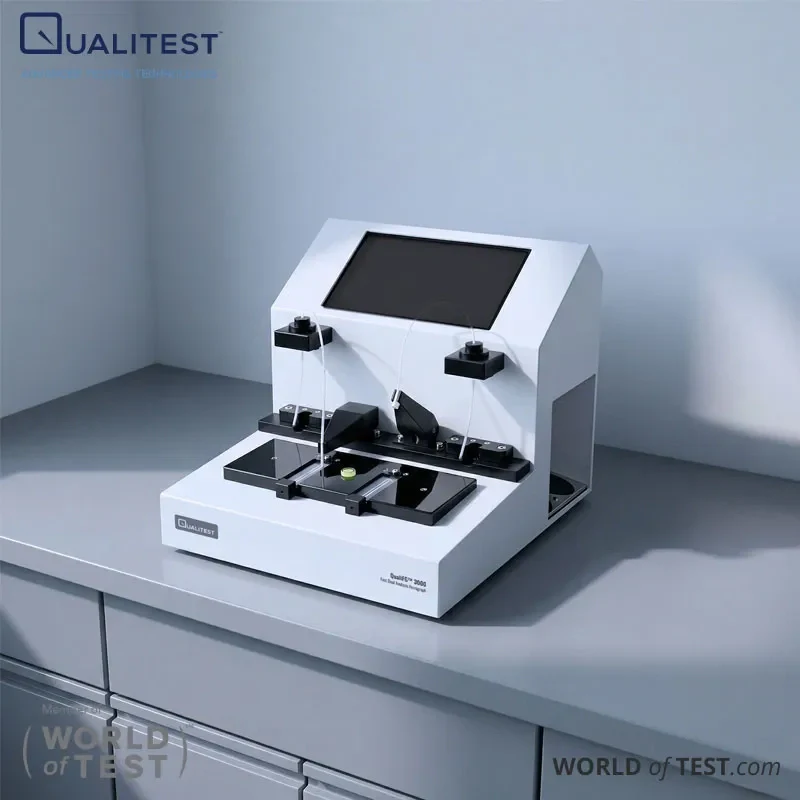
Fast Dual Analysis Ferrograph – QualiFG™ 3000
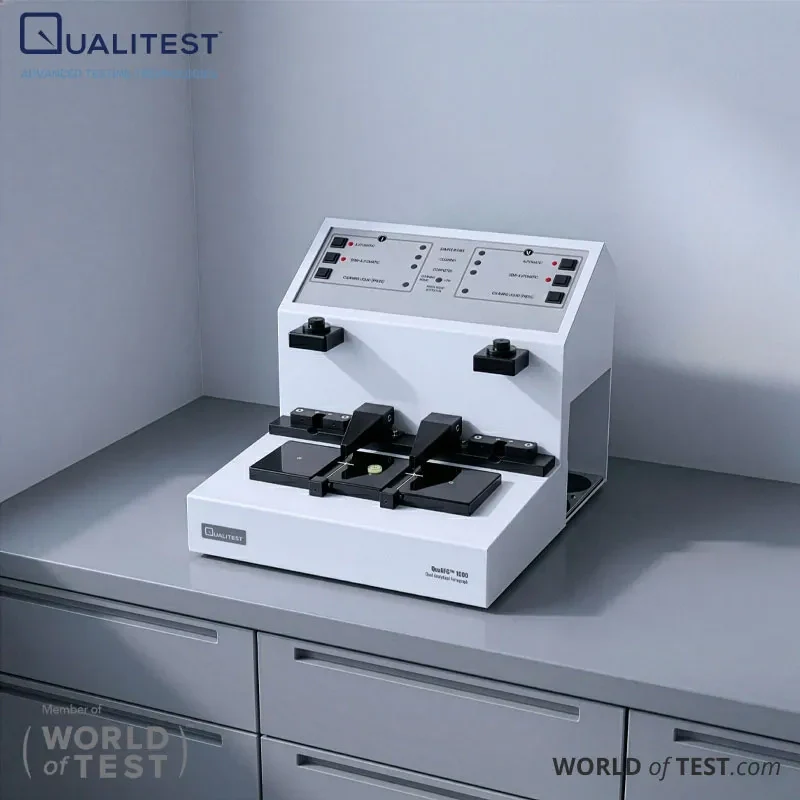
The Fast Dual Analysis Ferrograph QualiFG™ 3000 is a dual-channel ferrograph system engineered for preparing ferrograms from in-service lubricating and hydraulic oils to support microscopy-based wear particle analysis. It generates two ferrograms simultaneously, enabling laboratories to increase sample throughput while ensuring uniform particle deposition for reliable comparison, assessment, and diagnostic consistency.
The system utilizes a high-gradient magnetic field, controlled flow dynamics, and automated sample handling to deliver repeatable ferrogram preparation with reduced operator input and improved analytical consistency.
The QualiFG™ 3000 is designed for oil analysis laboratories, condition monitoring programs, and maintenance teams that require efficient and rapid wear debris evaluation. It is suitable for use in transportation, steel and heavy industries, electric power generation, and marine or defense gearbox applications, where detailed wear particle morphology analysis provides deeper maintenance insights beyond basic concentration-based screening.
Fast Dual Analysis Ferrograph – QualiFG™ 3000 Applications
Transportation and heavy fleet operations:
The QualiFG™ 3000 is widely used for condition monitoring of locomotives, trucks, and off-highway machinery. Through analytical ferrography, it supports early detection of abnormal wear in bearings, gear systems, pumps, and other lubricated components, helping maintenance teams address issues before they impact operational uptime.
Iron and steel industry:
This ferrograph system is well-suited for heavy industrial assets such as fan assemblies, gear drives, and hydraulic systems. Ferrograph analysis enables clear separation of abrasive particles, fatigue debris, and contamination, allowing analysts to link particle morphology with underlying wear mechanisms for more accurate diagnostics.
Electric power sector:
The QualiFG™ 3000 is also used in generator systems and auxiliary equipment where lubrication health directly affects reliability. Ferrographic output helps confirm wear severity when vibration trends, temperature changes, or oil condition indicators begin to show deviation from normal operating patterns.
Marine and defense drivetrain systems:
This instrument is applicable for transmission gearboxes and propulsion-related systems where early-stage wear detection is critical for maintaining uptime and operational readiness. The dual-channel configuration supports parallel sample preparation, enabling comparative evaluation and verification across similar assets for more confident analysis outcomes.
Standards
The QualiFG™ 3000 is designed in alignment with widely recognized international standards and practices for analytical ferrography and wear particle characterization in oil analysis programs:
-
ASTM D7690 — Standard practice for the microscopic characterization of particles from in-service lubricants using analytical ferrography. This standard defines procedures for preparing and examining ferrograms for wear debris analysis.
-
ASTM D7684 — A supporting guide that establishes consistent terminology and a structured framework for classifying and describing particle morphology in microscopic oil analysis. It is commonly used alongside ASTM D7690 and related sample preparation methods.
-
SH/T 0573 — A widely adopted analytical ferrography method used in oil analysis laboratories for wear particle examination and condition monitoring applications.
These standards support consistent ferrogram preparation, interpretation, and reporting across condition monitoring and lubricant analysis programs.
Fast Dual Analysis Ferrograph – QualiFG™ 3000 Key Features
Dual-channel synchronous preparation:
The QualiFG™ 3000 is equipped with two independent channels, allowing simultaneous production of two ferrograms in a single analytical cycle. This increases laboratory throughput and supports easier side-by-side evaluation of reference and suspect samples for improved diagnostic comparison.
Automated operation with minimal manual handling:
After sample loading, the system carries out the ferrogram preparation process automatically. This reduces manual intervention and allows operators to concentrate on microscopy evaluation and reporting tasks, making it well-suited for routine oil analysis workflows.
High-gradient permanent magnetic field:
The system is based on a permanent magnet configuration that generates a high-gradient magnetic field. As specified, it delivers a maximum magnetic flux density of 1.8 T ±0.1 T, with a magnetic field gradient greater than 0.5 T/mm. This design supports controlled particle deposition and helps minimize particle stacking during ferrogram formation. (All magnetic specifications should be verified against the final approved factory datasheet prior to publication or use in formal documentation.)

Adjustable sample flow:
The oil sample transport rate can be adjusted between 10 and 30 mL/h, supporting stable deposition conditions and improved repeatability. The cleaning agent flow is also adjustable, with a maximum flow rate of more than 100 mL/h, allowing flexibility across different sample conditions.
Fast preparation cycle:
The system can typically produce two ferrograms in under 20 minutes. This short cycle time supports efficient laboratory workflows and helps maintain consistent sample processing in routine oil analysis programs.
Clear ferrogram track for improved diagnosis:
The ferrogram deposition track is designed to remain clear and transparent, enabling easier differentiation of metallic, organic, and non-metallic particles during microscopic examination. The structured particle arrangement supports faster and more effective interpretation.
Reduced particle stacking:
Controlled deposition conditions help minimize particle accumulation and stacking, resulting in cleaner ferrograms that are easier to analyze under microscopy.
Integrated waste handling system:
The QualiFG™ 3000 includes a built-in waste collection system. A vacuum pump transfers waste liquid into a dedicated container, helping reduce exposure to volatile organic vapors and improving laboratory safety.
Low sensitivity to moisture in oil samples:
The system is largely unaffected by moisture content in oil samples, ensuring reliable ferrogram preparation even when working with routine field-collected lubricating oil samples.

Theory and Method
A ferrograph operates by directing an oil sample across a ferrographic substrate placed within a controlled magnetic field. Ferrous particles are strongly attracted and align along the magnetic gradient, while non-ferrous particles and other contaminants deposit based on fluid flow dynamics and natural settling behavior. This process forms a structured deposition track in which larger and more magnetically responsive particles tend to appear earlier along the slide, supporting faster and more organized microscopic evaluation.
Once the ferrogram is prepared, it is examined under an optical microscope for detailed wear particle analysis. Analysts assess particle type, size distribution, surface morphology, and probable wear mechanisms to interpret equipment condition. The transparent nature of the deposition track enhances visual separation of metallic, organic, and non-metallic debris, while the ordered particle arrangement based on magnetic response and size helps improve the efficiency and accuracy of classification during microscopy.
Fast Dual Analysis Ferrograph – QualiFG™ 3000 Technical Specification
| Parameter | QualiFG™ 3000 |
|---|---|
| Product type | Fast Dual Analysis Ferrograph |
| Preparation channels | Dual-channel synchronous preparation |
| Voltage | AC 220 V, 50 Hz |
| Optional voltage | 110 V available |
| Power adapter | 12 V power adapter included |
| Wear particle measurement range | 0 to 800 μm |
| Injection method | Micro-pump pressure type, automatic sampling |
| Cleaning methods | Automatic cleaning and manual cleaning |
| Magnetic field gradient | > 0.5 T/mm |
| Maximum magnetic flux density | 1.8 T ±0.1 T |
| Magnet design | Permanent magnet, high-gradient field |
| Dilution / cleaning solvent | Tetrachloroethylene |
| Plate inclination | 1° to 5° adjustable range |
| Display | 10.1-inch LCD touch screen |
| Oil sample transport | Adjustable flow range 10 to 30 mL/h |
| Cleaning agent flow | Adjustable; maximum >100 mL/h |
| Measurement resolution | 1 µm |
| Sample volume per analysis | 1 mL |
| Oil delivery pipe size | OD 2.6 mm, ID 1.8 mm |
| Ferrographic substrate size | 60 × 24 × 0.17 mm |
| Size (L × W × H) | 395 × 355 × 335 mm |
| Weight | About 14 kg |
| Standards reference | ASTM D7690, ASTM D7684 |
Description
Fast Dual Analysis Ferrograph – QualiFG™ 3000
The Fast Dual Analysis Ferrograph QualiFG™ 3000 is a dual-channel ferrograph system engineered for preparing ferrograms from in-service lubricating and hydraulic oils to support microscopy-based wear particle analysis. It generates two ferrograms simultaneously, enabling laboratories to increase sample throughput while ensuring uniform particle deposition for reliable comparison, assessment, and diagnostic consistency.
The system utilizes a high-gradient magnetic field, controlled flow dynamics, and automated sample handling to deliver repeatable ferrogram preparation with reduced operator input and improved analytical consistency.
The QualiFG™ 3000 is designed for oil analysis laboratories, condition monitoring programs, and maintenance teams that require efficient and rapid wear debris evaluation. It is suitable for use in transportation, steel and heavy industries, electric power generation, and marine or defense gearbox applications, where detailed wear particle morphology analysis provides deeper maintenance insights beyond basic concentration-based screening.
Fast Dual Analysis Ferrograph – QualiFG™ 3000 Applications
Transportation and heavy fleet operations:
The QualiFG™ 3000 is widely used for condition monitoring of locomotives, trucks, and off-highway machinery. Through analytical ferrography, it supports early detection of abnormal wear in bearings, gear systems, pumps, and other lubricated components, helping maintenance teams address issues before they impact operational uptime.
Iron and steel industry:
This ferrograph system is well-suited for heavy industrial assets such as fan assemblies, gear drives, and hydraulic systems. Ferrograph analysis enables clear separation of abrasive particles, fatigue debris, and contamination, allowing analysts to link particle morphology with underlying wear mechanisms for more accurate diagnostics.
Electric power sector:
The QualiFG™ 3000 is also used in generator systems and auxiliary equipment where lubrication health directly affects reliability. Ferrographic output helps confirm wear severity when vibration trends, temperature changes, or oil condition indicators begin to show deviation from normal operating patterns.
Marine and defense drivetrain systems:
This instrument is applicable for transmission gearboxes and propulsion-related systems where early-stage wear detection is critical for maintaining uptime and operational readiness. The dual-channel configuration supports parallel sample preparation, enabling comparative evaluation and verification across similar assets for more confident analysis outcomes.
Standards
The QualiFG™ 3000 is designed in alignment with widely recognized international standards and practices for analytical ferrography and wear particle characterization in oil analysis programs:
-
ASTM D7690 — Standard practice for the microscopic characterization of particles from in-service lubricants using analytical ferrography. This standard defines procedures for preparing and examining ferrograms for wear debris analysis.
-
ASTM D7684 — A supporting guide that establishes consistent terminology and a structured framework for classifying and describing particle morphology in microscopic oil analysis. It is commonly used alongside ASTM D7690 and related sample preparation methods.
-
SH/T 0573 — A widely adopted analytical ferrography method used in oil analysis laboratories for wear particle examination and condition monitoring applications.
These standards support consistent ferrogram preparation, interpretation, and reporting across condition monitoring and lubricant analysis programs.
Fast Dual Analysis Ferrograph – QualiFG™ 3000 Key Features
Dual-channel synchronous preparation:
The QualiFG™ 3000 is equipped with two independent channels, allowing simultaneous production of two ferrograms in a single analytical cycle. This increases laboratory throughput and supports easier side-by-side evaluation of reference and suspect samples for improved diagnostic comparison.
Automated operation with minimal manual handling:
After sample loading, the system carries out the ferrogram preparation process automatically. This reduces manual intervention and allows operators to concentrate on microscopy evaluation and reporting tasks, making it well-suited for routine oil analysis workflows.
High-gradient permanent magnetic field:
The system is based on a permanent magnet configuration that generates a high-gradient magnetic field. As specified, it delivers a maximum magnetic flux density of 1.8 T ±0.1 T, with a magnetic field gradient greater than 0.5 T/mm. This design supports controlled particle deposition and helps minimize particle stacking during ferrogram formation. (All magnetic specifications should be verified against the final approved factory datasheet prior to publication or use in formal documentation.)
Adjustable sample flow:
The oil sample transport rate can be adjusted between 10 and 30 mL/h, supporting stable deposition conditions and improved repeatability. The cleaning agent flow is also adjustable, with a maximum flow rate of more than 100 mL/h, allowing flexibility across different sample conditions.
Fast preparation cycle:
The system can typically produce two ferrograms in under 20 minutes. This short cycle time supports efficient laboratory workflows and helps maintain consistent sample processing in routine oil analysis programs.
Clear ferrogram track for improved diagnosis:
The ferrogram deposition track is designed to remain clear and transparent, enabling easier differentiation of metallic, organic, and non-metallic particles during microscopic examination. The structured particle arrangement supports faster and more effective interpretation.
Reduced particle stacking:
Controlled deposition conditions help minimize particle accumulation and stacking, resulting in cleaner ferrograms that are easier to analyze under microscopy.
Integrated waste handling system:
The QualiFG™ 3000 includes a built-in waste collection system. A vacuum pump transfers waste liquid into a dedicated container, helping reduce exposure to volatile organic vapors and improving laboratory safety.
Low sensitivity to moisture in oil samples:
The system is largely unaffected by moisture content in oil samples, ensuring reliable ferrogram preparation even when working with routine field-collected lubricating oil samples.
Theory and Method
A ferrograph operates by directing an oil sample across a ferrographic substrate placed within a controlled magnetic field. Ferrous particles are strongly attracted and align along the magnetic gradient, while non-ferrous particles and other contaminants deposit based on fluid flow dynamics and natural settling behavior. This process forms a structured deposition track in which larger and more magnetically responsive particles tend to appear earlier along the slide, supporting faster and more organized microscopic evaluation.
Once the ferrogram is prepared, it is examined under an optical microscope for detailed wear particle analysis. Analysts assess particle type, size distribution, surface morphology, and probable wear mechanisms to interpret equipment condition. The transparent nature of the deposition track enhances visual separation of metallic, organic, and non-metallic debris, while the ordered particle arrangement based on magnetic response and size helps improve the efficiency and accuracy of classification during microscopy.
Fast Dual Analysis Ferrograph – QualiFG™ 3000 Technical Specification
| Parameter | QualiFG™ 3000 |
|---|---|
| Product type | Fast Dual Analysis Ferrograph |
| Preparation channels | Dual-channel synchronous preparation |
| Voltage | AC 220 V, 50 Hz |
| Optional voltage | 110 V available |
| Power adapter | 12 V power adapter included |
| Wear particle measurement range | 0 to 800 μm |
| Injection method | Micro-pump pressure type, automatic sampling |
| Cleaning methods | Automatic cleaning and manual cleaning |
| Magnetic field gradient | > 0.5 T/mm |
| Maximum magnetic flux density | 1.8 T ±0.1 T |
| Magnet design | Permanent magnet, high-gradient field |
| Dilution / cleaning solvent | Tetrachloroethylene |
| Plate inclination | 1° to 5° adjustable range |
| Display | 10.1-inch LCD touch screen |
| Oil sample transport | Adjustable flow range 10 to 30 mL/h |
| Cleaning agent flow | Adjustable; maximum >100 mL/h |
| Measurement resolution | 1 µm |
| Sample volume per analysis | 1 mL |
| Oil delivery pipe size | OD 2.6 mm, ID 1.8 mm |
| Ferrographic substrate size | 60 × 24 × 0.17 mm |
| Size (L × W × H) | 395 × 355 × 335 mm |
| Weight | About 14 kg |
| Standards reference | ASTM D7690, ASTM D7684 |