Original: $100.00
-65%$100.00
$35.00The Story
Direct Reading Ferrograph – QualiFG™ DRF
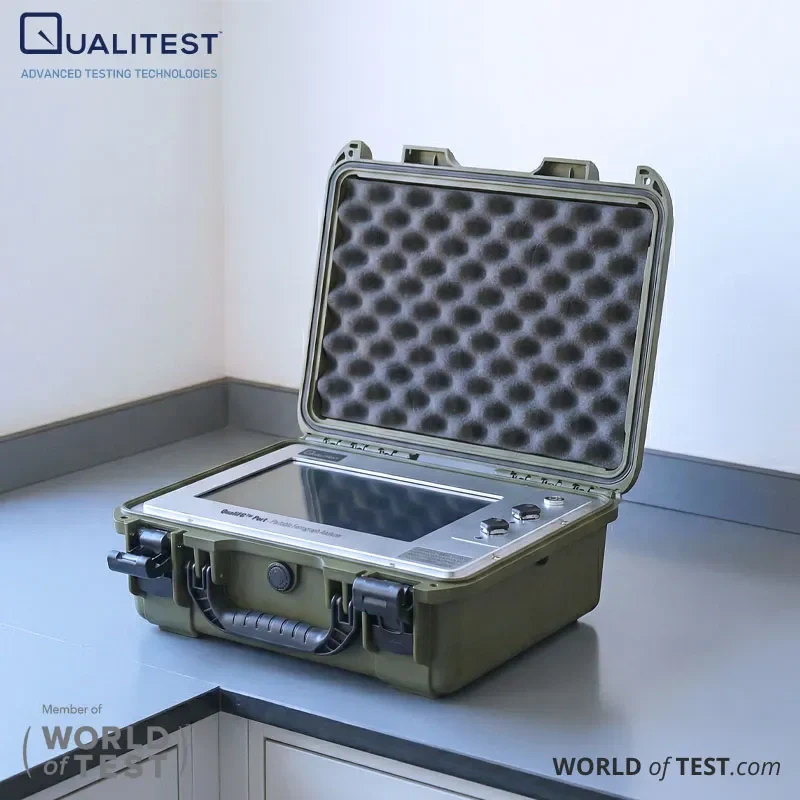
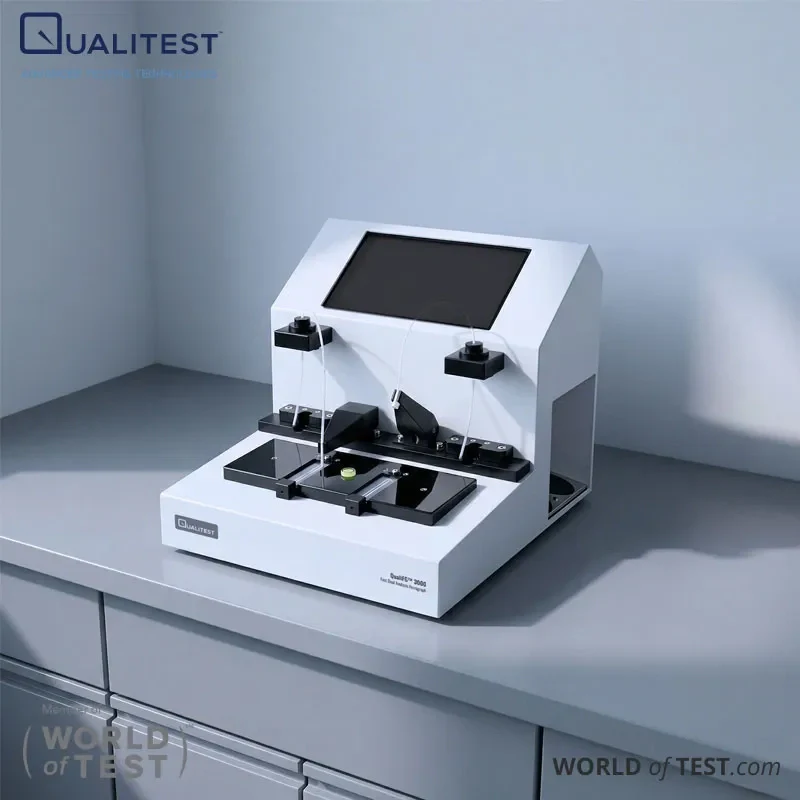
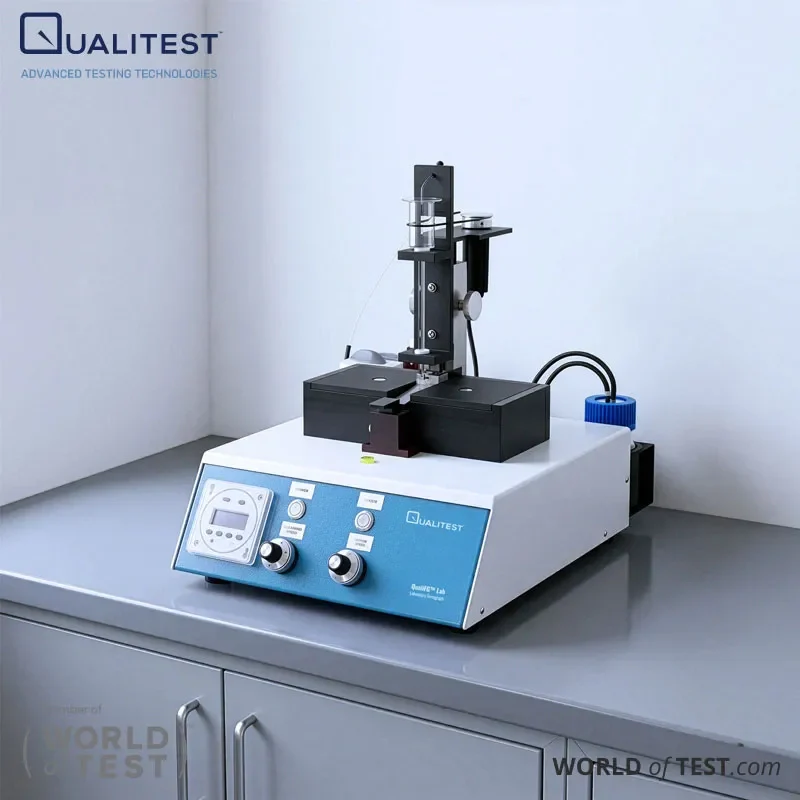
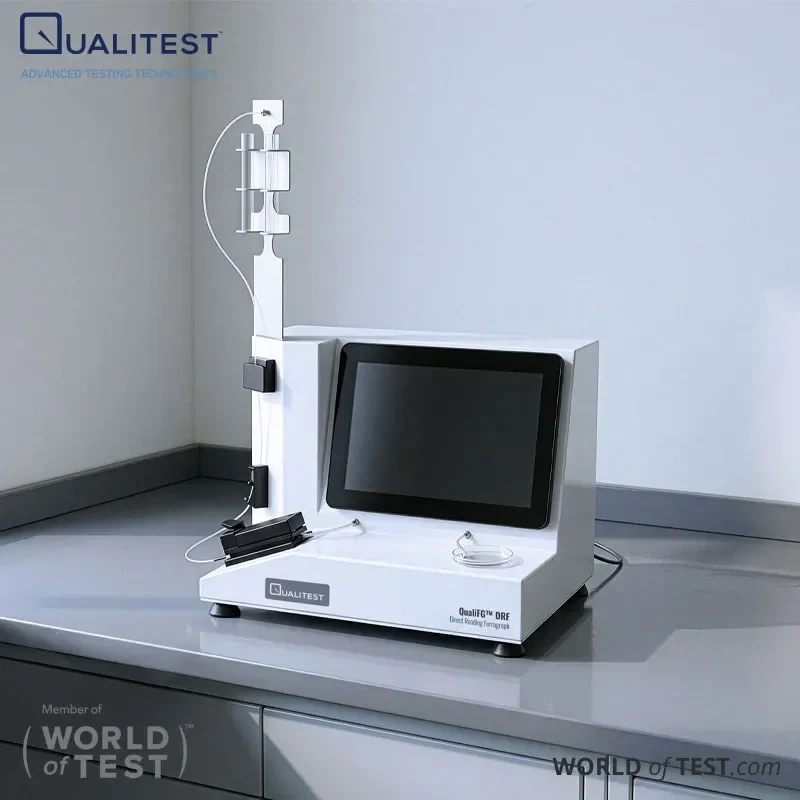
QualiFG™ DRF Direct Reading Ferrograph is a quantitative wear debris analysis system designed for fast screening of ferromagnetic particles in used lubricants. It delivers wear severity results within minutes by combining magnetic-gradient particle separation with optical measurement. This enables maintenance and reliability teams to quickly identify abnormal wear patterns and determine whether advanced analysis such as detailed ferrography or microscopy is required.
Designed for continuous condition monitoring, QualiFG™ DRF supports analysis of oils, hydraulic fluids, coolants, and fuel systems. The system features automated sample injection, controlled deposition of wear debris, and numeric output that supports trend-based monitoring rather than relying on single-point visual inspection. This makes it highly effective for tracking equipment health over time and detecting early-stage wear development.
QualiFG™ DRF is well-suited for laboratories and reliability programs that need a fast frontline screening solution before proceeding to in-depth particle morphology evaluation. It is widely used for machinery wear monitoring, lubricant condition assessment, gearbox wear evaluation, and analysis of ferromagnetic debris in bearing and transmission systems.
Direct Reading Ferrograph – QualiFG™ DRF Applications
Machine system wear monitoring:
QualiFG™ DRF supports trend-based condition monitoring by establishing a baseline and tracking variations in wear intensity over time. This enables earlier identification of abnormal operating behavior and supports timely decisions related to inspection intervals, filtration performance, and maintenance scheduling.
Lubricating oil evaluation:
This Direct Reading Ferrograph provides fast quantitative assessment of lubricating oils used in machinery following oil replacement, maintenance activity, or changes in operating conditions. Its numeric output allows rapid screening of samples without requiring full microscopic examination for routine evaluations.
Gearbox ferromagnetic wear evaluation:
QualiFG™ DRF is effective for screening gearbox wear, where increasing levels of ferromagnetic debris may indicate gear tooth damage, bearing degradation, or excessive abrasive activity. A noticeable rise in measured values can serve as an early indicator to proceed with detailed analytical ferrography or microscopy.
Residual assessment of bearing and gearbox oils:
The system also supports post-maintenance verification by evaluating whether ferromagnetic residue is decreasing or stabilizing after corrective actions. This helps confirm whether maintenance or repair work has successfully reduced active wear within the system.
Standards
Direct Reading Ferrography is typically applied as part of structured condition monitoring and wear debris analysis programs. The following international standards are commonly referenced to support program design, reporting consistency, and follow-up analytical evaluation:
ISO 17359
Provides general guidelines for establishing a condition monitoring program, including the use of tribology-based parameters and contamination monitoring methods to assess machinery health.
ASTM D7690
Defines practices for the microscopic examination and characterization of particles on ferrograms using analytical ferrography. It is commonly used as a follow-up method when Direct Reading Ferrograph results indicate abnormal wear activity.
ASTM D7684
Offers guidance for the classification and reporting of particulate debris using microscopy, helping ensure consistent terminology, structured interpretation, and standardized reporting of wear particle observations.
Direct Reading Ferrograph – QualiFG™ DRF Key Features
Fast quantitative wear screening:
QualiFG™ DRF delivers a rapid quantitative assessment of ferromagnetic wear debris in used lubricants, providing quick insight into equipment condition for routine monitoring and screening purposes.
Automatic analysis sequence:
After sample introduction, the system runs an automated analysis cycle that reduces manual handling and supports efficient laboratory workflows with consistent operation.
Rapid cycle time:
Each test is typically completed in under 10 minutes, making this Direct Reading Ferrograph well suited for high-throughput screening and fast exception-based wear detection.
Magnetic-gradient design for stable deposition:
The system uses magnetic-gradient separation to ensure controlled particle deposition, supporting stable readings and improved repeatability. It features a maximum magnetic field gradient greater than 5.0 T/cm and a maximum magnetic flux density exceeding 1.5 T.
Adjustable positioning for consistent measurement:
An adjustable positioning mechanism allows control of the oil-sample inlet distance relative to the sensor, helping maintain consistent sampling conditions and improving run-to-run measurement reliability.
Portable, bench-friendly design:
The compact and portable configuration allows use in both laboratory and field environments. This flexibility supports onsite condition monitoring and reliability inspections.
Low-power, interference-resistant operation:
The system is designed with low power consumption and enhanced resistance to electromagnetic interference, ensuring stable performance in industrial operating environments.
Connectivity for data handling:
QualiFG™ DRF supports USB and RJ45 interfaces for data transfer and integration into monitoring workflows. It also includes a Windows-based operating environment for data review, analysis, and export.
Theory and Method
This type of Ferrograph operates by magnetically separating ferromagnetic wear particles from a lubricant sample and measuring the intensity of particle deposition at defined points along the deposit path using optical detection. The resulting signal is converted into quantitative values that reflect wear particle concentration and trend severity, making Direct Reading Ferrography an effective screening approach for detecting abnormal wear conditions.
QualiFG™ DRF automates the sample injection process to ensure each test follows a consistent preparation sequence. As an automatic direct-reading system, it deposits ferromagnetic particles within a controlled magnetic field and translates deposition intensity into numerical indicators for wear trend evaluation.
In practical use, this system functions primarily as a trend-monitoring tool. Results gain greater significance when evaluated against historical data from the same machine and lubricant type. Sudden or sustained increases in readings are typically used as triggers for further diagnostic techniques, including analytical ferrography and particle microscopy.
Direct Reading Ferrograph – QualiFG™ DRF Technical Specification
| Parameter | QualiFG™ DRF |
|---|---|
| Product Type | Direct Reading Ferrograph / Ferrograph |
| Single Sampling Volume | 1 mL |
| Single Analysis Time | Less than 10 minutes |
| Display | High-sensitivity touch screen; 7-inch touch display |
| USB Interface | 4 USB interfaces listed |
| Network Connection | RJ45 |
| Operating System | Windows 7 |
| Cleaning Agent | Tetrachloroethylene |
| Maximum Magnetic Field Gradient | > 5.0 T/cm |
| Maximum Magnetic Flux Density | > 1.5 T |
| Test Resolution | 0.1 |
| Injection Method | Automatic injection |
| Power Supply | 220 VAC ±10%, 50 Hz |
| Optional Voltage | 110 V available |
| Adapter | 12 VDC, 5 A power adapter |
| Referenced Standards | ISO 17359, ASTM D7690, ASTM D7684 |
Description
Direct Reading Ferrograph – QualiFG™ DRF
QualiFG™ DRF Direct Reading Ferrograph is a quantitative wear debris analysis system designed for fast screening of ferromagnetic particles in used lubricants. It delivers wear severity results within minutes by combining magnetic-gradient particle separation with optical measurement. This enables maintenance and reliability teams to quickly identify abnormal wear patterns and determine whether advanced analysis such as detailed ferrography or microscopy is required.
Designed for continuous condition monitoring, QualiFG™ DRF supports analysis of oils, hydraulic fluids, coolants, and fuel systems. The system features automated sample injection, controlled deposition of wear debris, and numeric output that supports trend-based monitoring rather than relying on single-point visual inspection. This makes it highly effective for tracking equipment health over time and detecting early-stage wear development.
QualiFG™ DRF is well-suited for laboratories and reliability programs that need a fast frontline screening solution before proceeding to in-depth particle morphology evaluation. It is widely used for machinery wear monitoring, lubricant condition assessment, gearbox wear evaluation, and analysis of ferromagnetic debris in bearing and transmission systems.
Direct Reading Ferrograph – QualiFG™ DRF Applications
Machine system wear monitoring:
QualiFG™ DRF supports trend-based condition monitoring by establishing a baseline and tracking variations in wear intensity over time. This enables earlier identification of abnormal operating behavior and supports timely decisions related to inspection intervals, filtration performance, and maintenance scheduling.
Lubricating oil evaluation:
This Direct Reading Ferrograph provides fast quantitative assessment of lubricating oils used in machinery following oil replacement, maintenance activity, or changes in operating conditions. Its numeric output allows rapid screening of samples without requiring full microscopic examination for routine evaluations.
Gearbox ferromagnetic wear evaluation:
QualiFG™ DRF is effective for screening gearbox wear, where increasing levels of ferromagnetic debris may indicate gear tooth damage, bearing degradation, or excessive abrasive activity. A noticeable rise in measured values can serve as an early indicator to proceed with detailed analytical ferrography or microscopy.
Residual assessment of bearing and gearbox oils:
The system also supports post-maintenance verification by evaluating whether ferromagnetic residue is decreasing or stabilizing after corrective actions. This helps confirm whether maintenance or repair work has successfully reduced active wear within the system.
Standards
Direct Reading Ferrography is typically applied as part of structured condition monitoring and wear debris analysis programs. The following international standards are commonly referenced to support program design, reporting consistency, and follow-up analytical evaluation:
ISO 17359
Provides general guidelines for establishing a condition monitoring program, including the use of tribology-based parameters and contamination monitoring methods to assess machinery health.
ASTM D7690
Defines practices for the microscopic examination and characterization of particles on ferrograms using analytical ferrography. It is commonly used as a follow-up method when Direct Reading Ferrograph results indicate abnormal wear activity.
ASTM D7684
Offers guidance for the classification and reporting of particulate debris using microscopy, helping ensure consistent terminology, structured interpretation, and standardized reporting of wear particle observations.
Direct Reading Ferrograph – QualiFG™ DRF Key Features
Fast quantitative wear screening:
QualiFG™ DRF delivers a rapid quantitative assessment of ferromagnetic wear debris in used lubricants, providing quick insight into equipment condition for routine monitoring and screening purposes.
Automatic analysis sequence:
After sample introduction, the system runs an automated analysis cycle that reduces manual handling and supports efficient laboratory workflows with consistent operation.
Rapid cycle time:
Each test is typically completed in under 10 minutes, making this Direct Reading Ferrograph well suited for high-throughput screening and fast exception-based wear detection.
Magnetic-gradient design for stable deposition:
The system uses magnetic-gradient separation to ensure controlled particle deposition, supporting stable readings and improved repeatability. It features a maximum magnetic field gradient greater than 5.0 T/cm and a maximum magnetic flux density exceeding 1.5 T.
Adjustable positioning for consistent measurement:
An adjustable positioning mechanism allows control of the oil-sample inlet distance relative to the sensor, helping maintain consistent sampling conditions and improving run-to-run measurement reliability.
Portable, bench-friendly design:
The compact and portable configuration allows use in both laboratory and field environments. This flexibility supports onsite condition monitoring and reliability inspections.
Low-power, interference-resistant operation:
The system is designed with low power consumption and enhanced resistance to electromagnetic interference, ensuring stable performance in industrial operating environments.
Connectivity for data handling:
QualiFG™ DRF supports USB and RJ45 interfaces for data transfer and integration into monitoring workflows. It also includes a Windows-based operating environment for data review, analysis, and export.
Theory and Method
This type of Ferrograph operates by magnetically separating ferromagnetic wear particles from a lubricant sample and measuring the intensity of particle deposition at defined points along the deposit path using optical detection. The resulting signal is converted into quantitative values that reflect wear particle concentration and trend severity, making Direct Reading Ferrography an effective screening approach for detecting abnormal wear conditions.
QualiFG™ DRF automates the sample injection process to ensure each test follows a consistent preparation sequence. As an automatic direct-reading system, it deposits ferromagnetic particles within a controlled magnetic field and translates deposition intensity into numerical indicators for wear trend evaluation.
In practical use, this system functions primarily as a trend-monitoring tool. Results gain greater significance when evaluated against historical data from the same machine and lubricant type. Sudden or sustained increases in readings are typically used as triggers for further diagnostic techniques, including analytical ferrography and particle microscopy.
Direct Reading Ferrograph – QualiFG™ DRF Technical Specification
| Parameter | QualiFG™ DRF |
|---|---|
| Product Type | Direct Reading Ferrograph / Ferrograph |
| Single Sampling Volume | 1 mL |
| Single Analysis Time | Less than 10 minutes |
| Display | High-sensitivity touch screen; 7-inch touch display |
| USB Interface | 4 USB interfaces listed |
| Network Connection | RJ45 |
| Operating System | Windows 7 |
| Cleaning Agent | Tetrachloroethylene |
| Maximum Magnetic Field Gradient | > 5.0 T/cm |
| Maximum Magnetic Flux Density | > 1.5 T |
| Test Resolution | 0.1 |
| Injection Method | Automatic injection |
| Power Supply | 220 VAC ±10%, 50 Hz |
| Optional Voltage | 110 V available |
| Adapter | 12 VDC, 5 A power adapter |
| Referenced Standards | ISO 17359, ASTM D7690, ASTM D7684 |